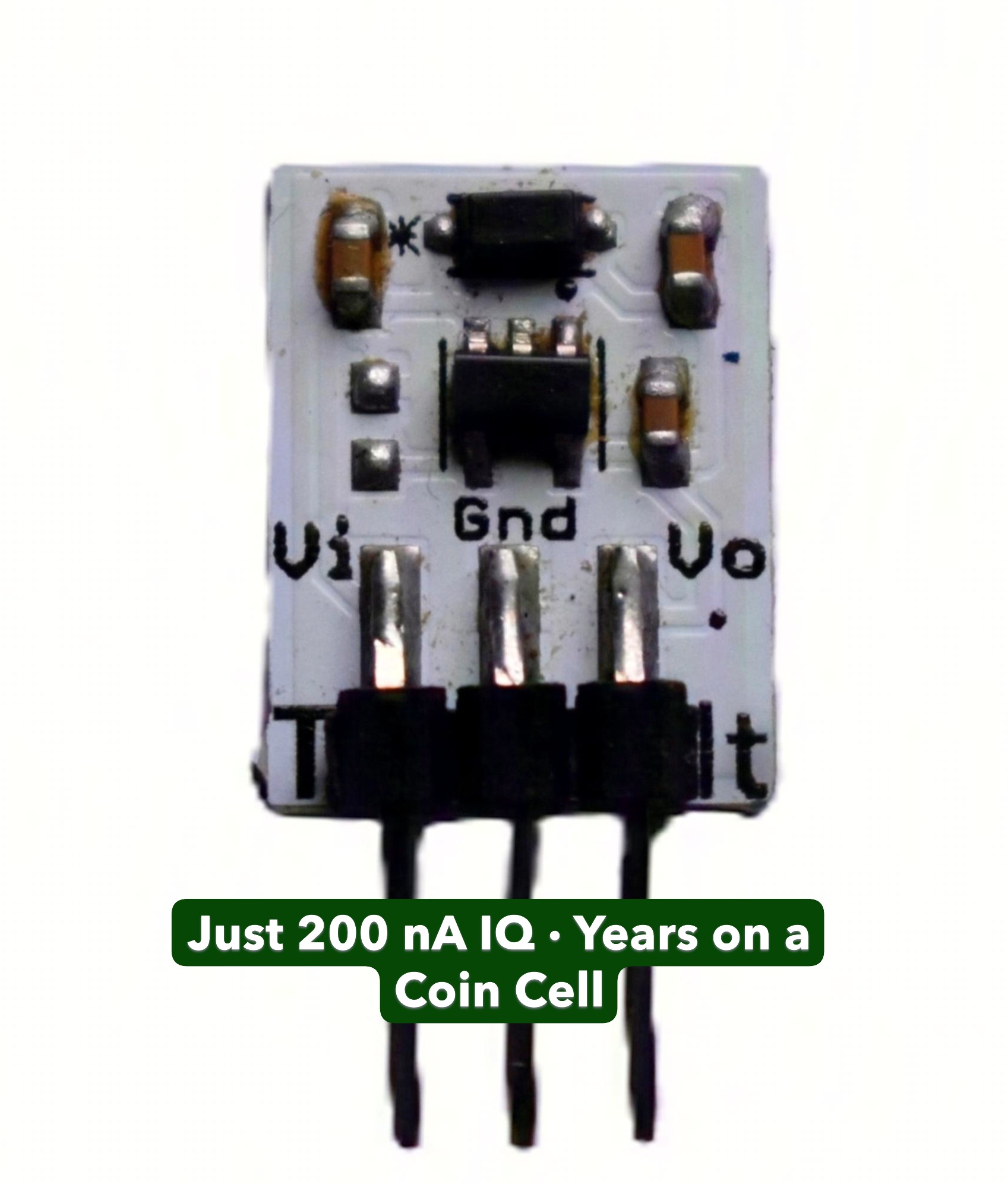
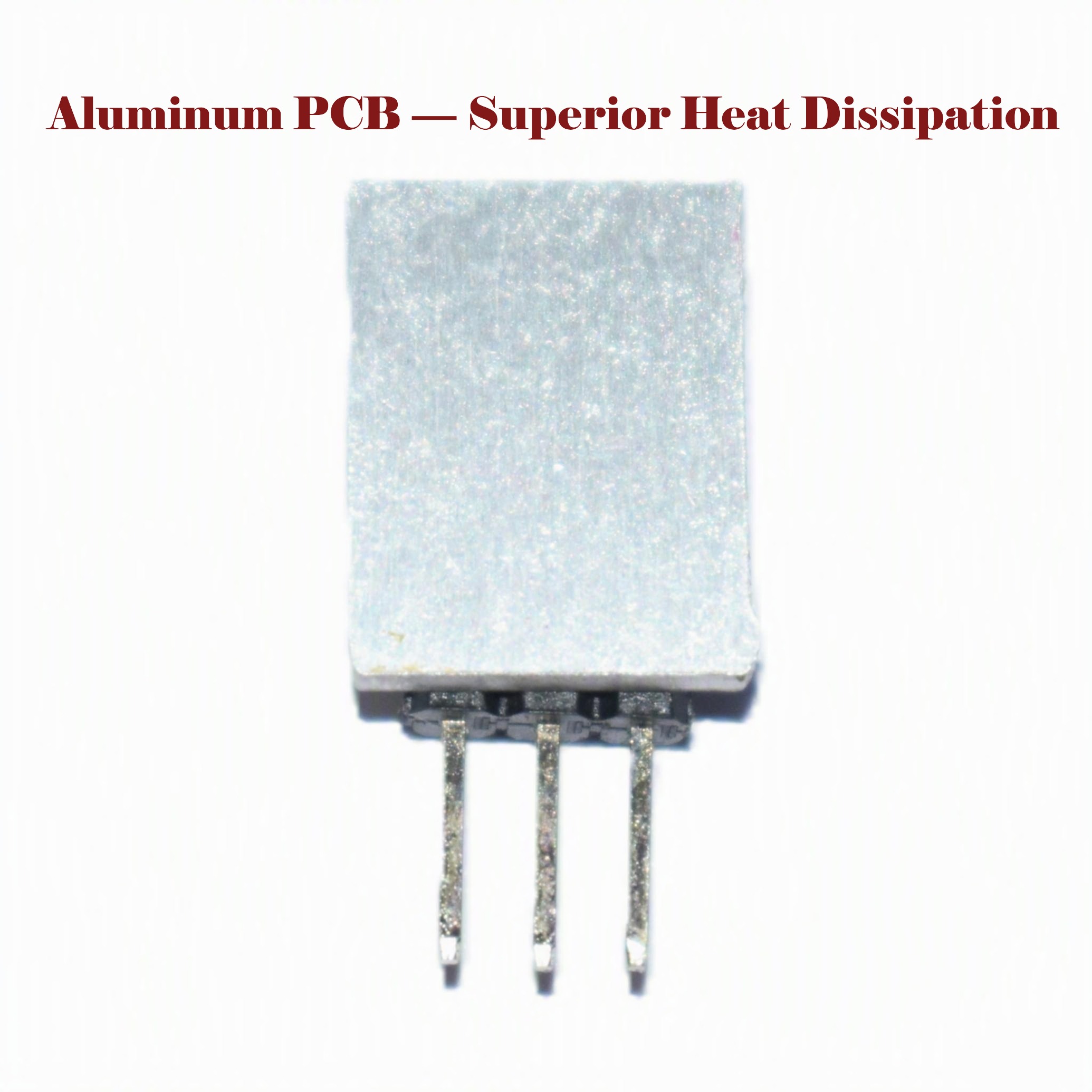
TrueVolt NP-7A0333 · Nanopower 3.3 V · Longest battery life
Battery dead in weeks? Your 3.3 V regulator is eating it.
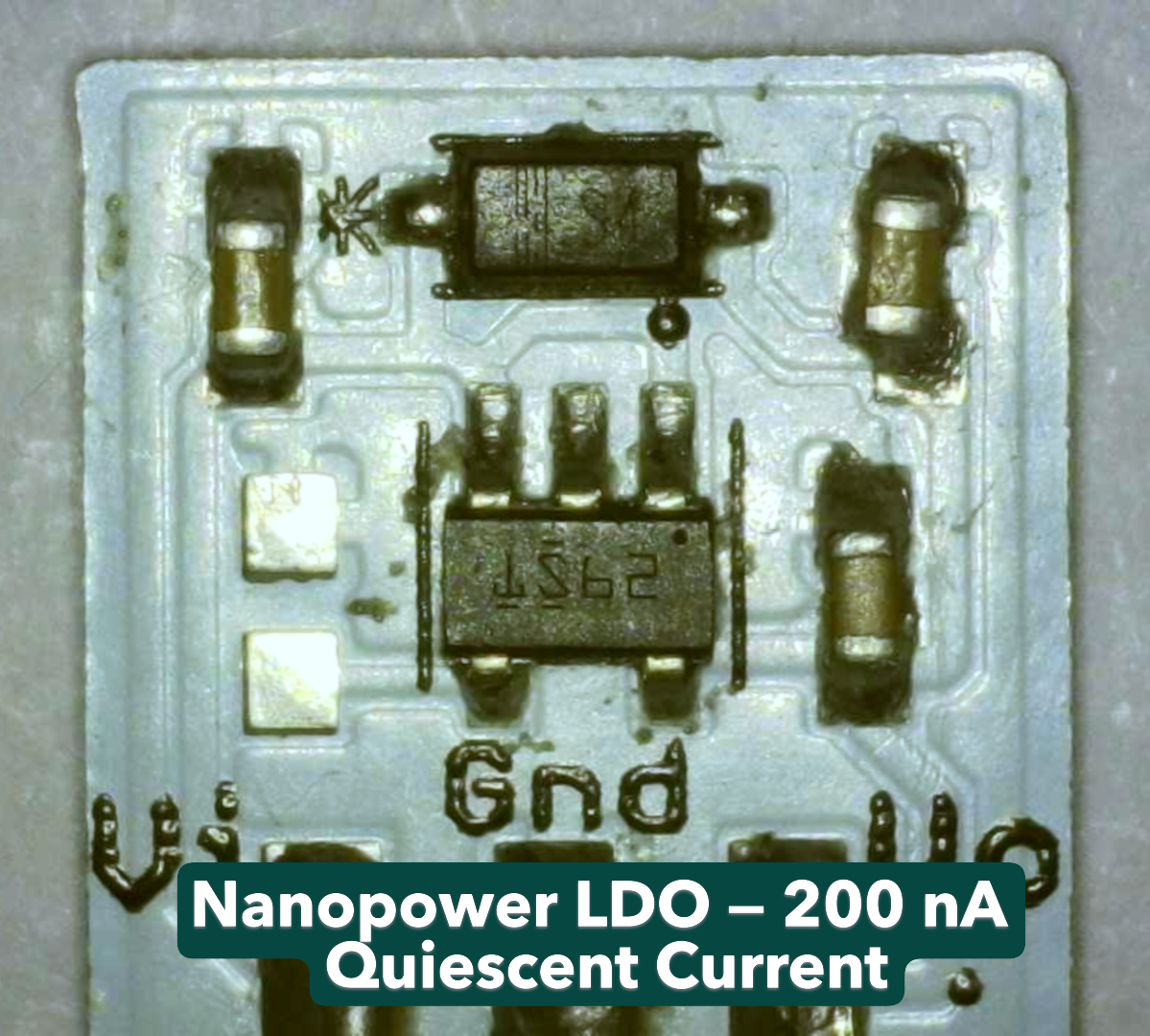
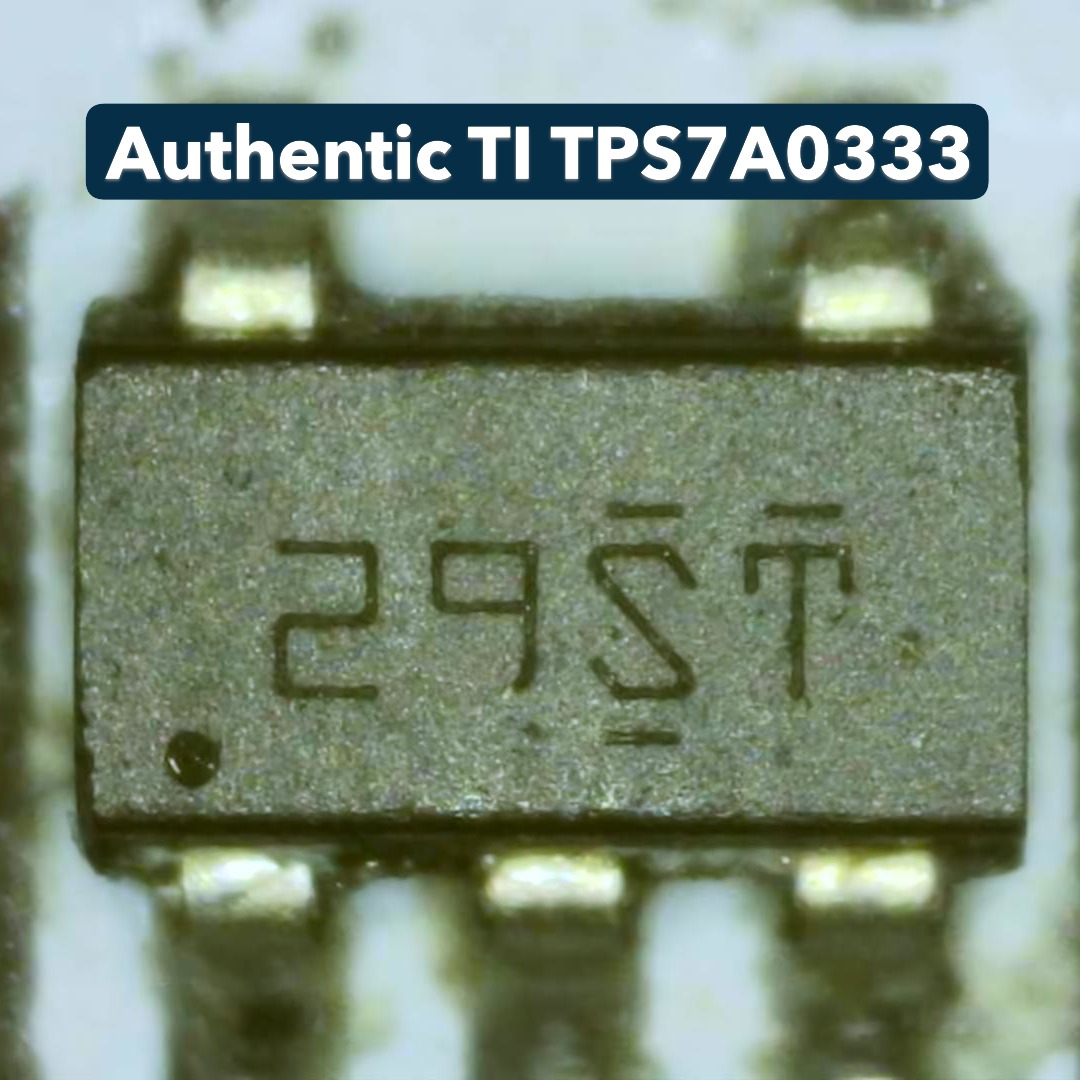
Your MCU sleeps at a couple of microamps. Most regulators burn 50 µA to 5 mA just staying on, so they drain the battery while your project does nothing. NP-7A0333 uses a genuine TI TPS7A03 that idles at 200 nA. The regulator stops deciding your battery life.
Years on a battery, not weeks.
Where your battery actually goes
A sensor node averaging 10 µA (MCU asleep, short radio wake-ups) on a 2400 mAh, 3.6 V lithium AA cell. Same node, three regulators.
AMS1117 (≈5 mA idle) ≈20 days
99.8% of the battery is burned by the regulator
Typical low-IQ LDO (≈50 µA) ≈4.5 years
83% still goes to the regulator, not your project
TrueVolt NP-7A0333 (200 nA) limited only by the cell
Just 2% to the regulator. The math says over 20 years, so the cell’s own shelf life becomes the limit
Battery life = capacity ÷ (your average current + regulator idle current). Typical datasheet quiescent currents; real life also depends on temperature and the cell’s self-discharge. How quiescent current sets battery life →
Fixes the battery problems that waste your design
If your firmware sleeps perfectly but the battery still drains, measure the regulator.
😴 Deep sleep works, battery still drains
MCU sleeps at 2 µA but the board pulls 50 µA or more
Fixed: the regulator adds just 0.2 µA
🔋 Battery dies long before it should
LoRa, BLE and sensor nodes that wake for seconds a day
Fixed: the battery spends its charge on your project
🪫 The last part of the cell is wasted
Many low-power regulators draw far more once the cell sags into dropout
Fixed: stays at about 220 nA right to the end
📡 Radio wake-up resets the MCU
Slow nanopower regulators dip hard when the radio switches on
Fixed: TI’s dynamic biasing recovers in under 10 µs
🚗 Battery swaps cost more than the device
Meters, field sensors and remote nodes you have to travel to
Fixed: fewer site visits, longer service intervals
❓ Idle current that doesn’t match the datasheet
Relabelled or clone low-IQ regulators
Fixed: genuine Texas Instruments, every nanoamp real
Connect it in a minute
Li-ion, 3×AA, 3.6 V lithium
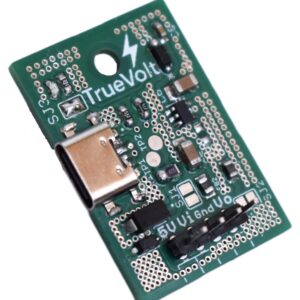
Same VIN–GND–VOUT order as a 7805, on 2.54 mm pins. Always on: enable is tied to VIN on the board, so there is nothing to configure.
Nanopower vs the regulators you’re using now
For anything that sleeps most of the time, idle current is the spec that matters.
| What matters | AMS1117-3.3 | Typical low-IQ LDO | TrueVolt NP-7A0333 |
|---|---|---|---|
| Idle current | ≈5 mA | ≈50 µA | 200 nA |
| Idle current as the cell runs low | Out of regulation early | Often rises in dropout | ≈220 nA in dropout |
| Dropout at full load | ≈1.1 V | 0.2–0.5 V | 270 mV max at 200 mA |
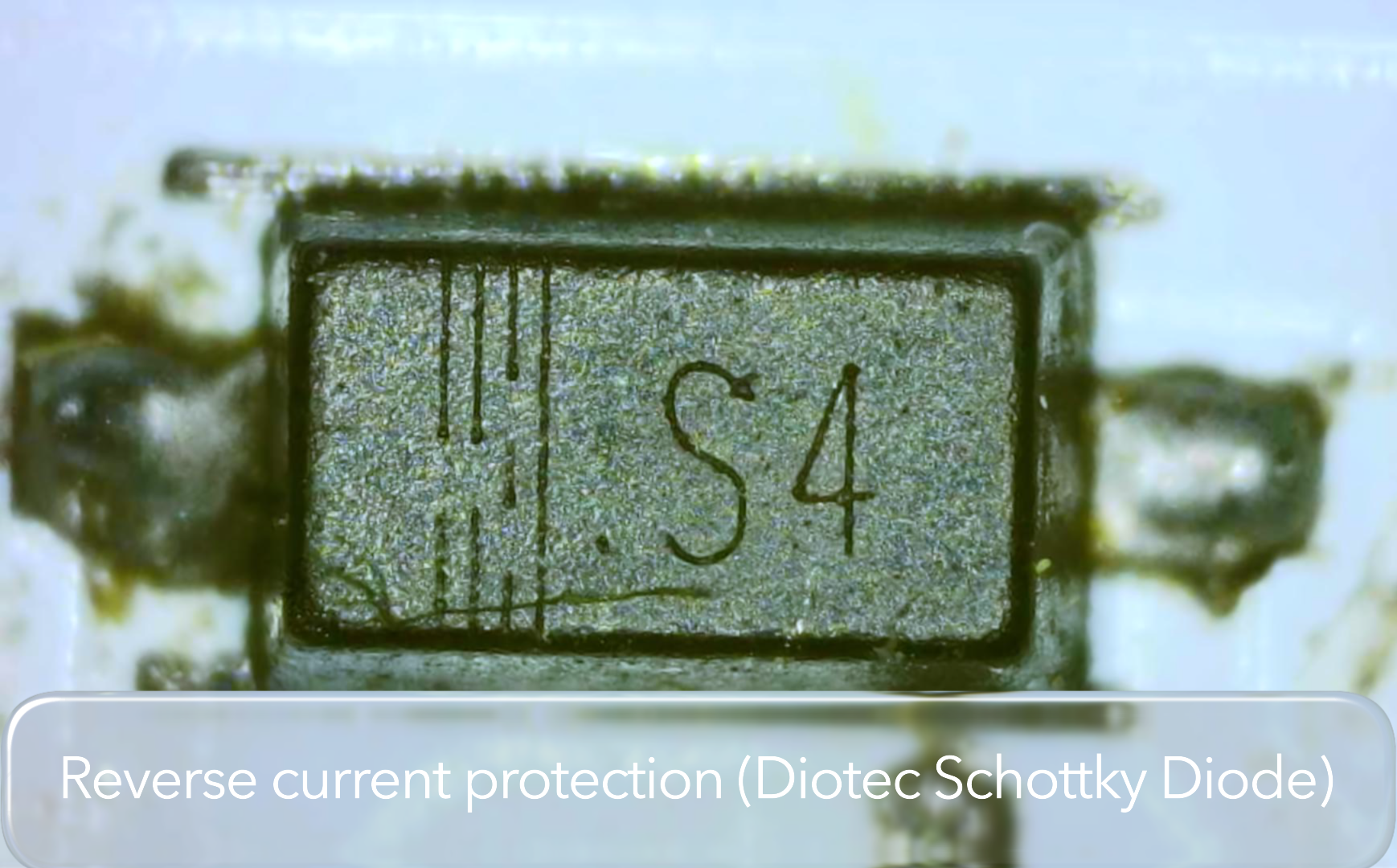
| Back-feed protection | Usually none | Usually none | Diotec SD103 Schottky |
| Parts source | Unknown | Varies | Genuine TI, authorised distribution |
| Max current | Up to 1 A | 150–300 mA | 200 mA |
Typical values from the AMS1117 and TI TPS7A03 datasheets; “typical low-IQ LDO” covers common 30–60 µA parts such as the TLV740P.
What’s on the board, and why
Samsung 4.7 µF ceramics
Branded input and output capacitors: a stiff rail for radio bursts, comfortably inside TI’s stability window.
Always on, nothing to leak
Enable is tied to VIN on the board. No pull-up resistor quietly wasting current, no control pin to manage.
Is it right for your project?
✓ Great fit
LoRa, BLE, nRF24 and Zigbee sensor nodes that sleep most of the day
Water, gas and energy meters, data loggers, RTC and always-on rails
Solar and energy-harvesting nodes with a Li-ion cell or supercap
Remotes, wearables and anything with a battery you don’t want to change
Pick something else if…
Always powered from USB or mains: idle current doesn’t matter; the TrueVolt74033 gives 300 mA for less.
Loads above 200 mA, or ESP32 Wi-Fi: use a higher-current regulator.
Load cells, ADCs, mics, audio: nanopower parts are noisy; use the LN-7A2033.
Which Ramanu module do you need?
Everyday 3.3 V
TrueVolt74033
TI TLV740P, 300 mA. The low-cost AMS1117 upgrade for USB-powered projects.
View →Clean power
TrueVolt LN-7A2033
TI TPS7A2033, 7 µVrms. For load cells, ADCs, mics, GPS and audio.
View →You are here · Longest battery life
TrueVolt NP-7A0333
TI TPS7A0333, 200 nA idle. For projects that sleep for months or years.
Add to cart →Questions buyers ask
How long will my battery last?
Hours = battery mAh ÷ (your average current in mA + 0.0002). Measure your node’s average current, including sleep and wake-ups; with this module the regulator adds almost nothing, so battery life is set by your firmware and the cell itself.
Which batteries give a full 3.3 V?
Anything that stays above about 3.6 V under load: a single Li-ion or LiPo cell, 3×AA or 3×AAA, a 3.6 V lithium (Li-SOCl₂) cell, 4×NiMH, or USB. At light loads it regulates down to roughly 3.35 V in.
Can I run it from a coin cell or 2×AA?
Yes, with one catch: a 3 V source is already below 3.3 V, so the module passes the battery voltage through (slightly lower) instead of regulating. It still draws only about 220 nA while doing it. Fine if your MCU and sensors are happy at 2.8–3 V.
Will it handle radio transmit bursts?
Up to 200 mA. LoRa at +20 dBm (about 120 mA), BLE, nRF24L01 and Zigbee are all fine. ESP32 or ESP8266 Wi-Fi bursts are too big; use a higher-current regulator for those.
Can I add more capacitance on the output?
A little. TI specifies up to 22 µF effective on the output, and the board already has 4.7 µF. Keep what you add under about 15 µF; for bigger energy storage, put it on the input side.
Is it low noise?
No. Nanopower regulators trade noise for idle current; expect a few hundred µVrms. That is fine for MCUs, radios and digital sensors. For precision analog, use the LN-7A2033.
Is it reverse-polarity protected?
No. The Schottky diode protects the regulator from back-feed (output higher than input). A battery inserted backwards can still damage it, so use a keyed holder or check polarity first.
TPS7A0333 3.3V nanopower LDO module: full technical specifications
| Regulator | Texas Instruments TPS7A0333 (TPS7A0333DBVR), SOT-23-5, genuine |
| Output | 3.3 V fixed, ±1% at 25 °C, ±1.5% over temperature, up to 200 mA |
| Input | 1.5–6.0 V operating; about 3.6 V or more for full 3.3 V at load; 6.5 V absolute maximum |
| Quiescent current | 200 nA typical (250 nA max at 25 °C); about 220 nA in dropout |
| Dropout | 270 mV max at 200 mA (−40 to +85 °C) |
| Load transient | Under 10 µs settling, ≈80 mV undershoot for a 1–50 mA step (TI typical) |
| PSRR | 55 dB at 1 kHz |
| Current limit | 450 mA typical (240 mA min); foldback to about 65 mA into a short |
| Protection | Foldback current limit · thermal shutdown (170 °C) · UVLO (1.3 V rising) · Diotec SD103 back-feed Schottky |
| Capacitors | Samsung 4.7 µF ceramic, input and output (extra output capacitance: keep under ≈15 µF) |
| Enable | Tied to VIN on the board: always on |
| Board | Aluminium metal-core PCB |
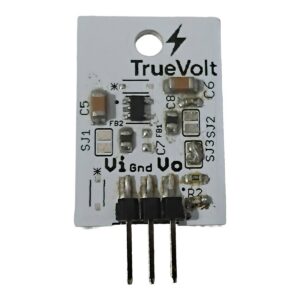
| Pinout | 1: VIN · 2: GND · 3: VOUT, 2.54 mm pitch (7805 order) |
| Operating temperature | −40 °C to +125 °C (regulator junction) |
Building more than one node?
Multi-pack pricing is applied automatically in your cart. Prices include GST.
1 UNIT
₹99
₹99.00 each
2-PACK
₹189
₹94.50 each
5-PACK · POPULAR
₹449
₹89.80 each
10-PACK
₹849
₹84.90 each
Flat ₹40 shipping added at checkout.
Proof, not promises
Everything we claim, you can check.
Years on a battery, not weeks.
Let your firmware and your battery decide battery life, not the regulator.
Add NP-7A0333 to cart → Buy nowDesigning with the chip itself?
TPS7A03 datasheet explained: specs, pinout & coin-cell battery math →
Reviews
There are no reviews yet.